Meet The Moderators: Q&A with Jewel Topsfield

We are so excited to reveal our next Q&A from our series of meet-the-moderators, who have been gracing our stages since our humble beginnings and will be returning once again this year.

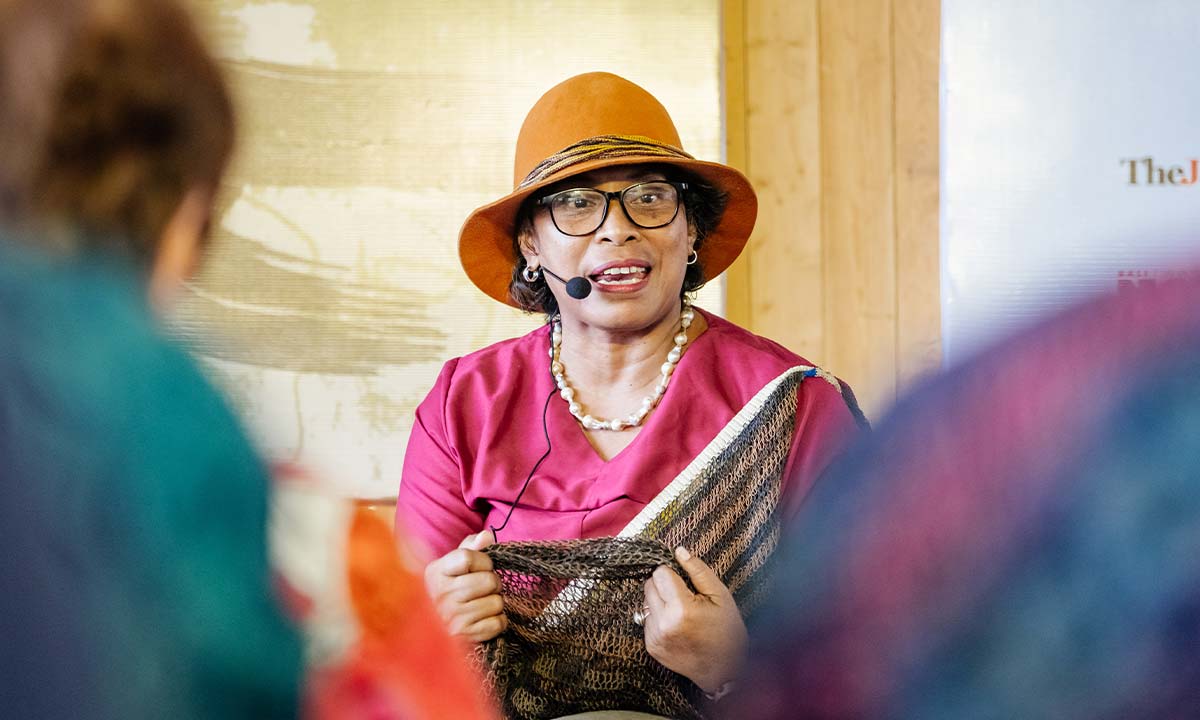
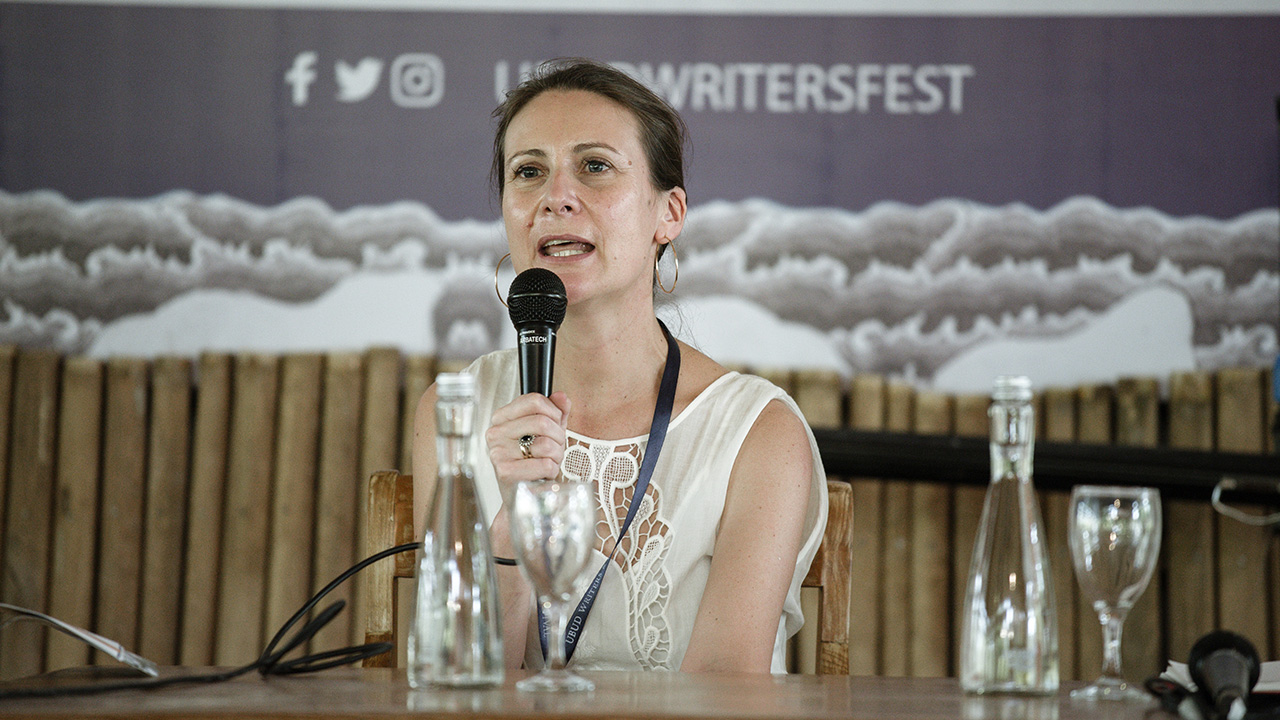
Meet Jewel Topsfield, who has been moderating some unforgettable conversations with international headliners over the years. Jewel is a former Indonesia correspondent for The Age and The Sydney Morning Herald, now living and working in Jakarta. She has won multiple awards over her 30-year career in journalism, including a Walkley Award and the Lowy Institute Media Award.

Get to know Jewel as we discuss what to expect from her upcoming sessions, her reading, and the events she’s most looking forward to at this year’s Festival.


You have been coming to the Festival for years now as a regular moderator. What makes you want to come back?

The Festival is one of my favourite times of the year. I always leave feeling challenged and inspired, with an enormous pile of books (real books, with paper you can rub between your fingers!) for my bedside table. I live in Jakarta and love the access the Festival gives me to some of Indonesia’s best writers and thinkers. Last year I got to meet fearless writer Ayu Utami, whose novel Saman became a cultural sensation, and Dewi Lestari, whose wildly popular Supernova series blends philosophy, science and religion. The Festival has turned me into the ultimate name-dropping dinner party bore!

You will be leading a panel that explores the love that lives within times of conflict, delving into the realities of love and terror’s coexistence in fiction. In your view, can fiction serve as a counter to fear, and is there a book of yours that illustrates this?

This is such an interesting question. (The classic response panellists give to buy themselves thinking time!) I think fiction, and non-fiction for that matter, can articulate our fears and show that hope, humanity and laughter can still exist within darkness. I have just finished the beautiful novel The Anthropologists by Ayşegül Savaş, who is on the Love in a Time of Conflict panel. The novel is a meditation on loneliness. Its protagonists are slightly adrift in a foreign country and feel guilty about living so far from their families. They overcome their fear of being lonely, misunderstood and invisible by observing the daily routines of visitors to a suburban park and creating their own community and meaningful rituals. It finishes on such a gentle note of hope: “What are some of the things we love? Manu asked. We love breakfast, I said. And we love pastries, Manu said. Tereza, I added. Beers with Ravi. And lazing about. Having nothing to do on a weekend. Detective mysteries. Sitting in the sun. That’s a good life, Manu said.”
What events at this year’s Festival are you looking forward to attending?

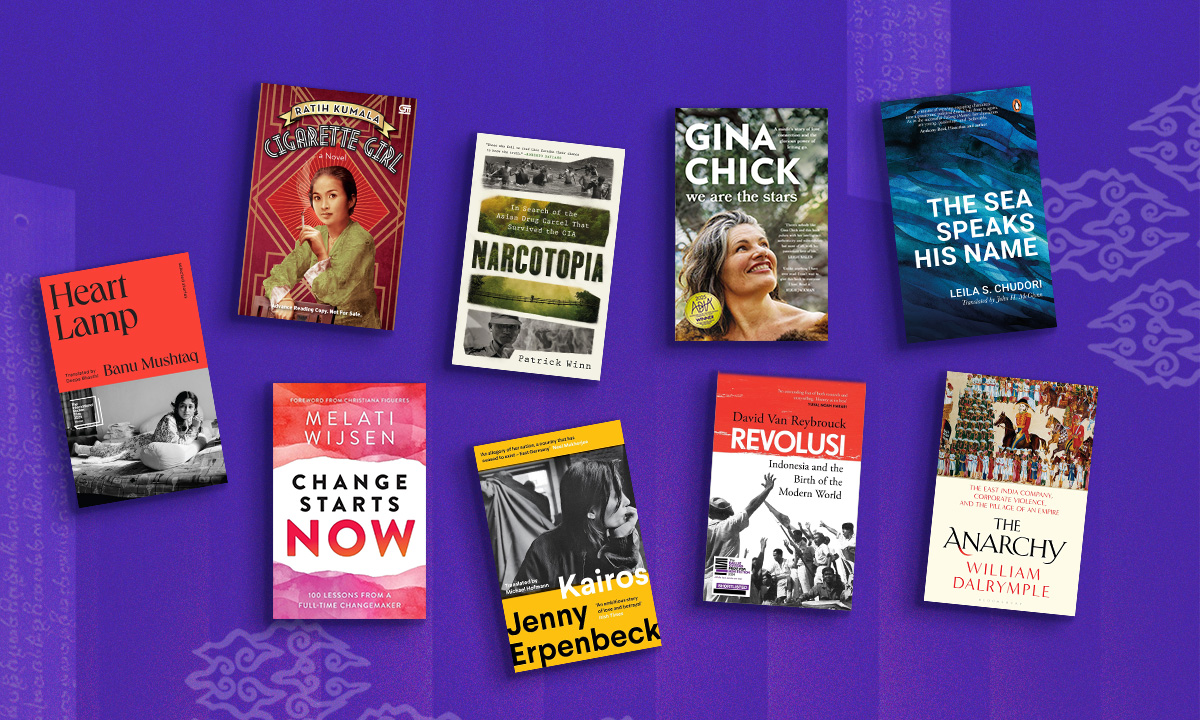
David Van Reybrouck is one of the rockstars of this year’s Festival and I can’t wait to read Revolusi, his sprawling account of Indonesia’s struggle for independence. I am particularly interested in this period of history because when I was the Indonesia correspondent for The Age and The Sydney Morning Herald I wrote about Australia’s role in the Indonesian fight for freedom from Dutch rule. (Australian maritime workers sympathetic to Indonesian independence boycotted Dutch ships preparing to return to Indonesia after the end of WWII, refusing to supply them with coal, food and munitions. Support for Indonesian independence grew from the maritime workers to the Chifley government, and Australia led the way in international political recognition of Indonesia.) One of the joys of the Festival is watching some of my friends launch books and speak on panels. This year Brigid Delaney is speaking about her book The Seeker and The Sage, a novel about a traumatised journalist who travels to an isolated utopia to learn how the philosophy of stoicism can apply to modern society. And Petra Molnar, whose book The Walls Have Eyes: Surviving Migration in the Age of Artificial Intelligence, explores how AI is being used to control, monitor, and exclude migrants, will be appearing in People, Governance and AI. And finally, I will be going to anything moderated by Kristi Melville and Drew Ambrose, who are masters of their craft, to get some tips on how to make panels sing.

What book do you wish you could read again for the first time?

The Wind-Up Bird Chronicle by Haruki Murakami. I read this when I was in my mid-20s and had never come across anything like it. I loved the joy the protagonist, Toru, derived from the prosaic: “When the phone rang I was in the kitchen, boiling a potful of spaghetti and whistling along with an FM broadcast of the overture to Rossini’s The Thieving Magpie, which has to be the perfect music for cooking pasta,” juxtaposed with the surreal, metaphysical rabbit hole he tumbled down while searching for his lost cat and wife. Throughout the book, strangers are constantly confiding in Toru and telling him bizarre, disturbing stories. His calm and attentive listening without judgement felt like an instruction manual on how to survive the chaos of those years. It became a kind of Rorschach friendship test: “If you don’t like this book, you won’t understand me.” I often wonder if I would have interpreted The Wind-Up Bird Chronicle differently had I first read it in a different chapter of my life.

To see Jewel Topsfield at the Festival and check his program, click here:
2025 Festival
Meet Jewel

RELEVANT news

Back
Close
Close
Scroll Down
Loading...
Done
SCHEDULE Filter
Date +
Category [0] +
Time [0] +
Free EventS ONLY
APPLY FILTER
Reset